The air outside is the problem
Sarasota's summers are long, warm and humid. Any gap that lets outside air into a cool house, such as a leaky door, a duct joint or an attic hatch, brings water with it.
The EPA suggests keeping indoor humidity below 60 percent, ideally between 30 and 50 percent. Source: US EPA, A Brief Guide to Mold, Moisture and Your Home.
The AC drain line
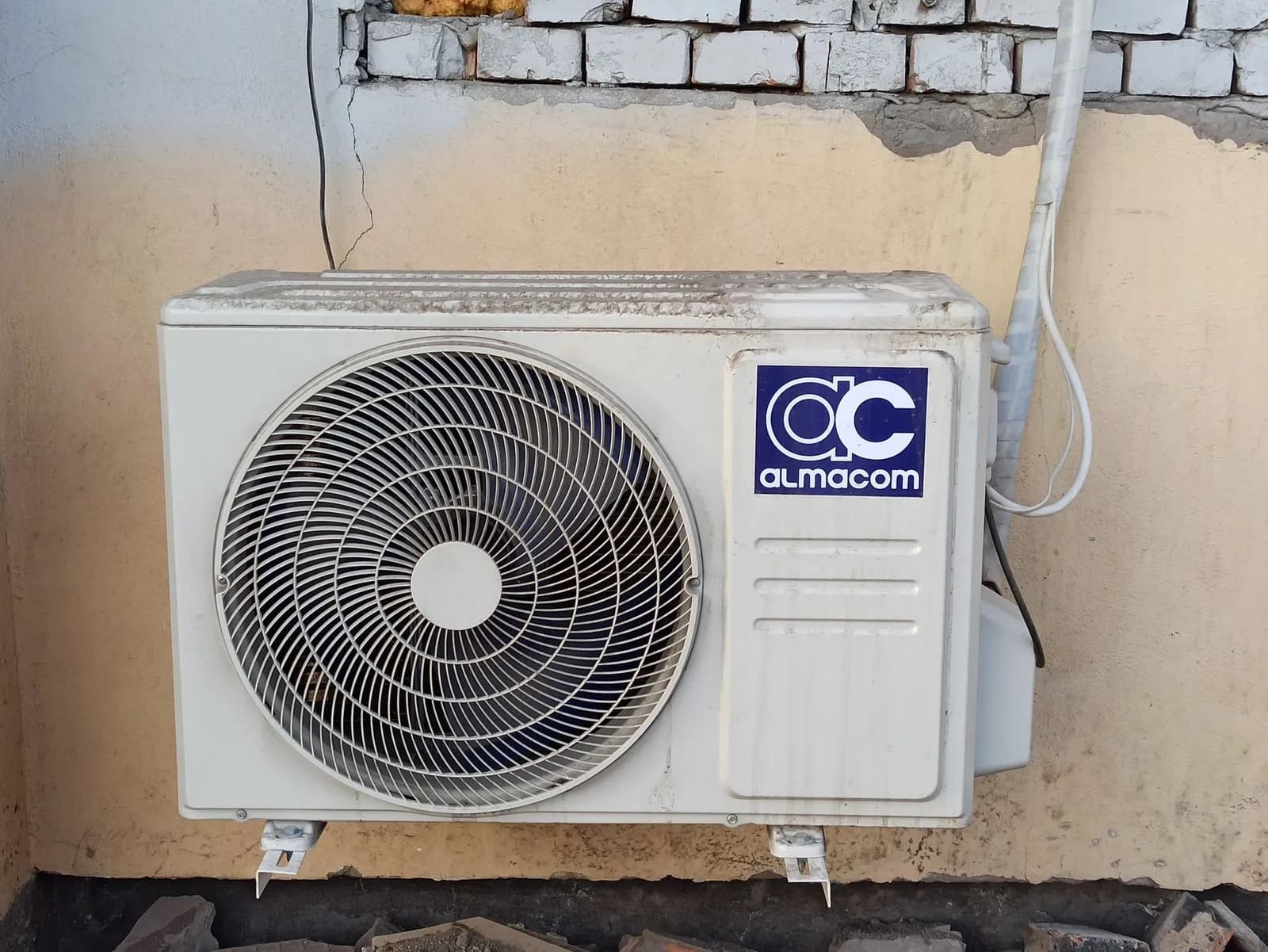
An air conditioner pulls water out of the air and sends it down a condensate line. When that line clogs with algae, the pan overflows into the closet, the ceiling or the floor.
Many technicians suggest flushing the line on a regular schedule. Ask yours what suits your system.
Ducts that sweat
Cold air running through ducts in a hot attic makes the outside of the duct sweat. Torn wrap or loose joints let that water drip onto insulation and ceilings.
Musty air from the vents when the AC starts is a common sign.
Storm season and roof leaks
Summer storms and hurricanes drive rain sideways under shingles, through flashing and around windows. A small leak that dries in the sun can stay wet inside the wall.
After a big storm it is worth a look in the attic and along the top-floor ceilings.
Homes closed up for the summer
A house left empty with the AC off or set very high can grow mold on furniture, closets and walls in a few weeks of humid weather.
Leaving the AC running at a moderate setting, or using a dehumidifier, helps a closed house stay dry.